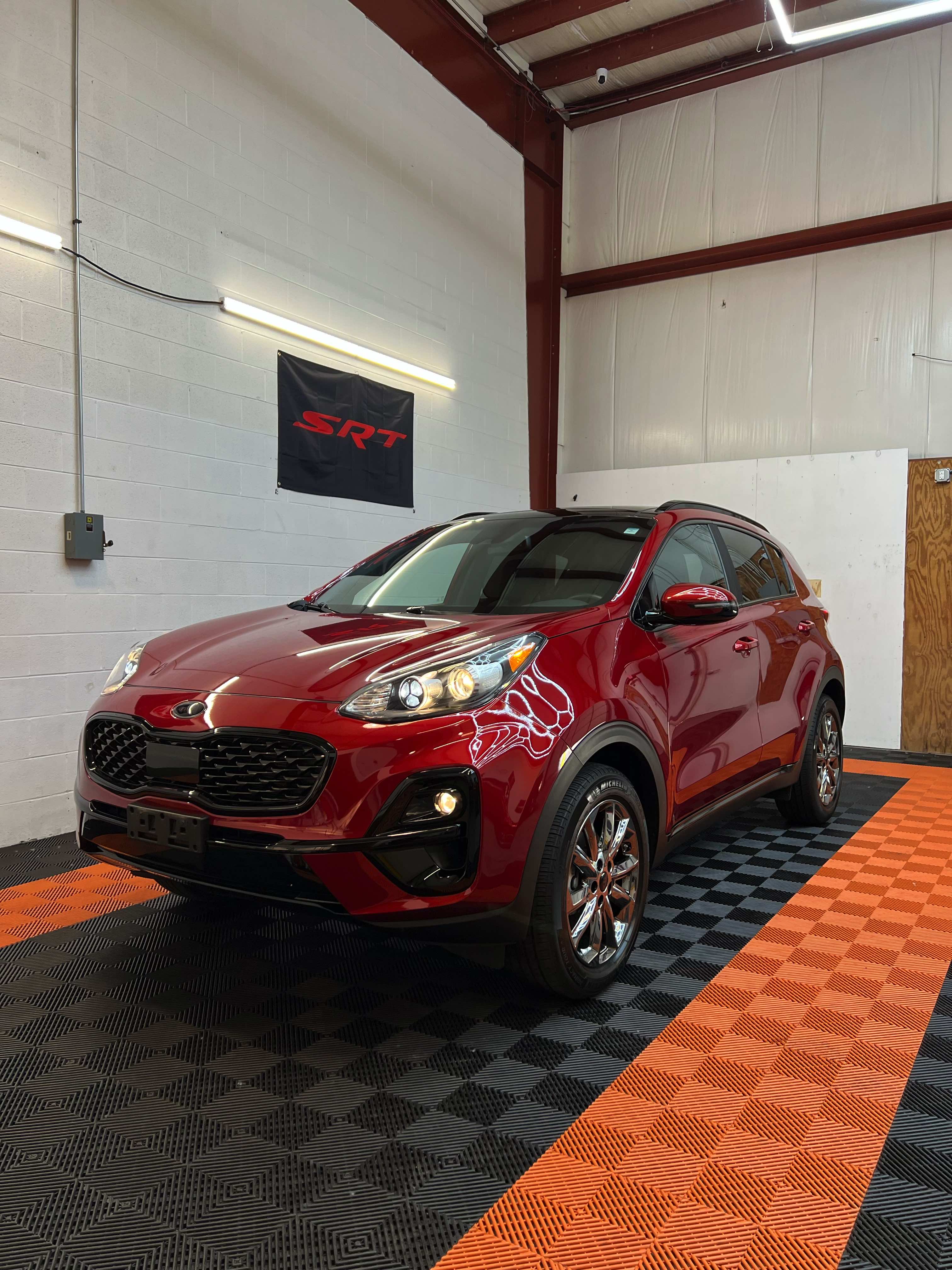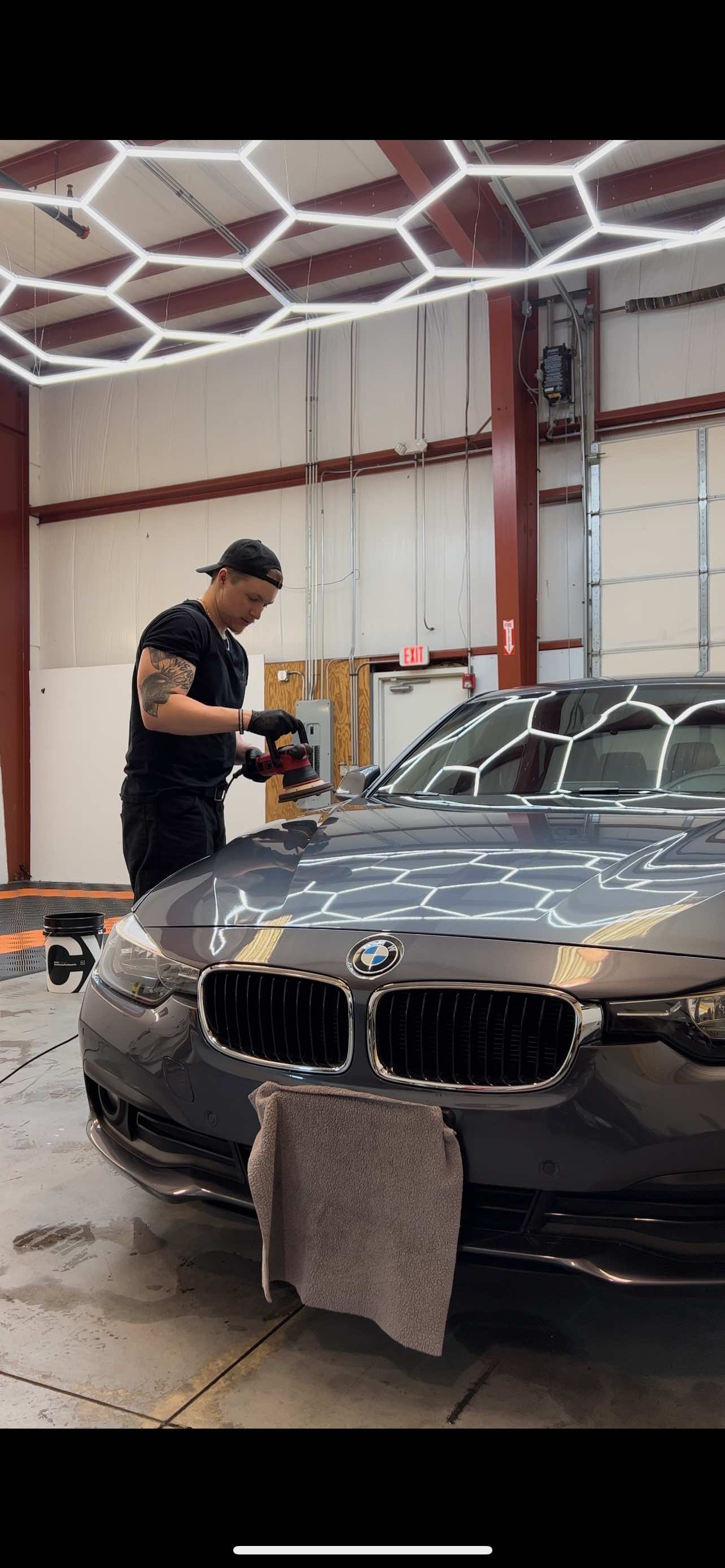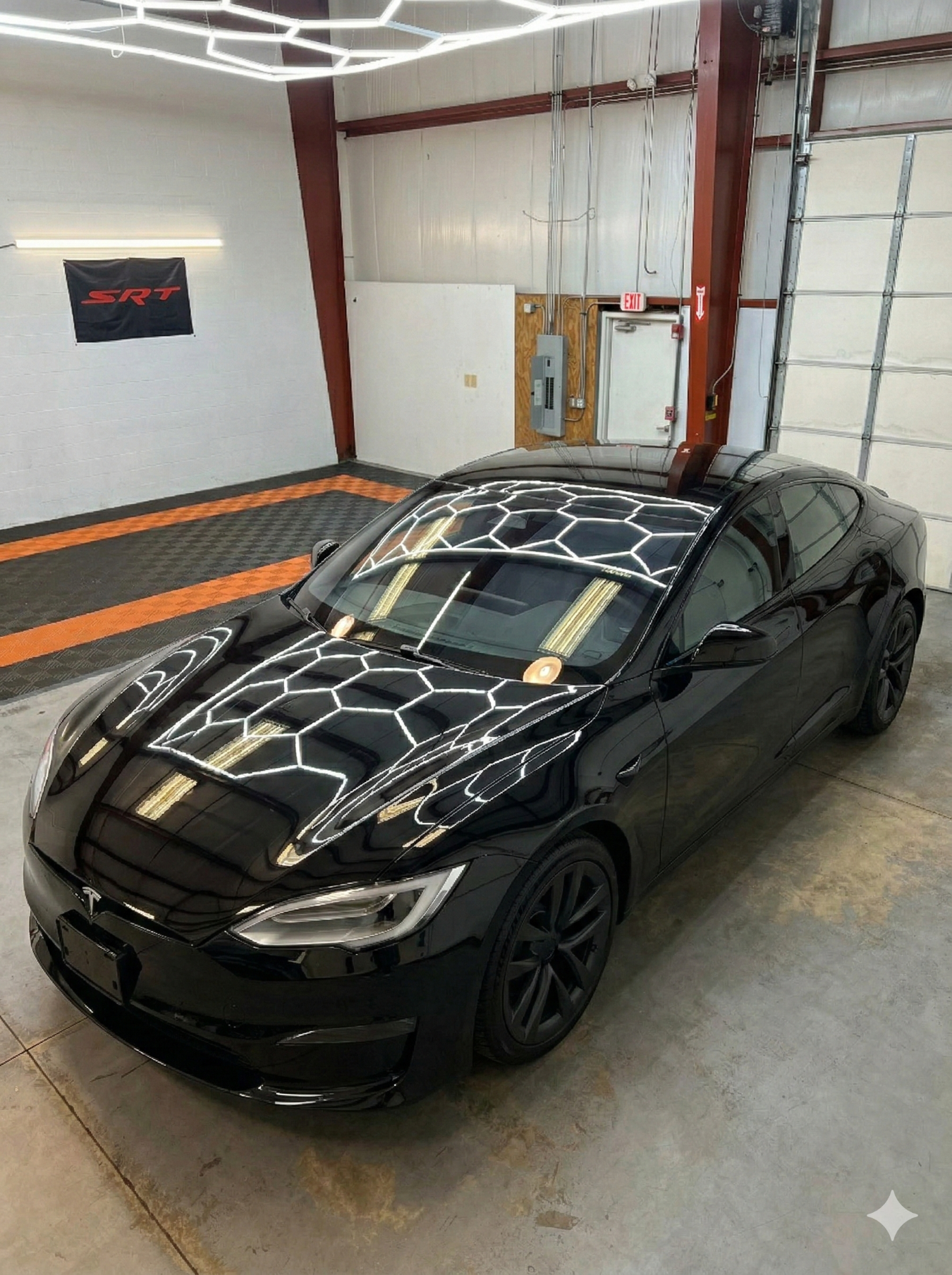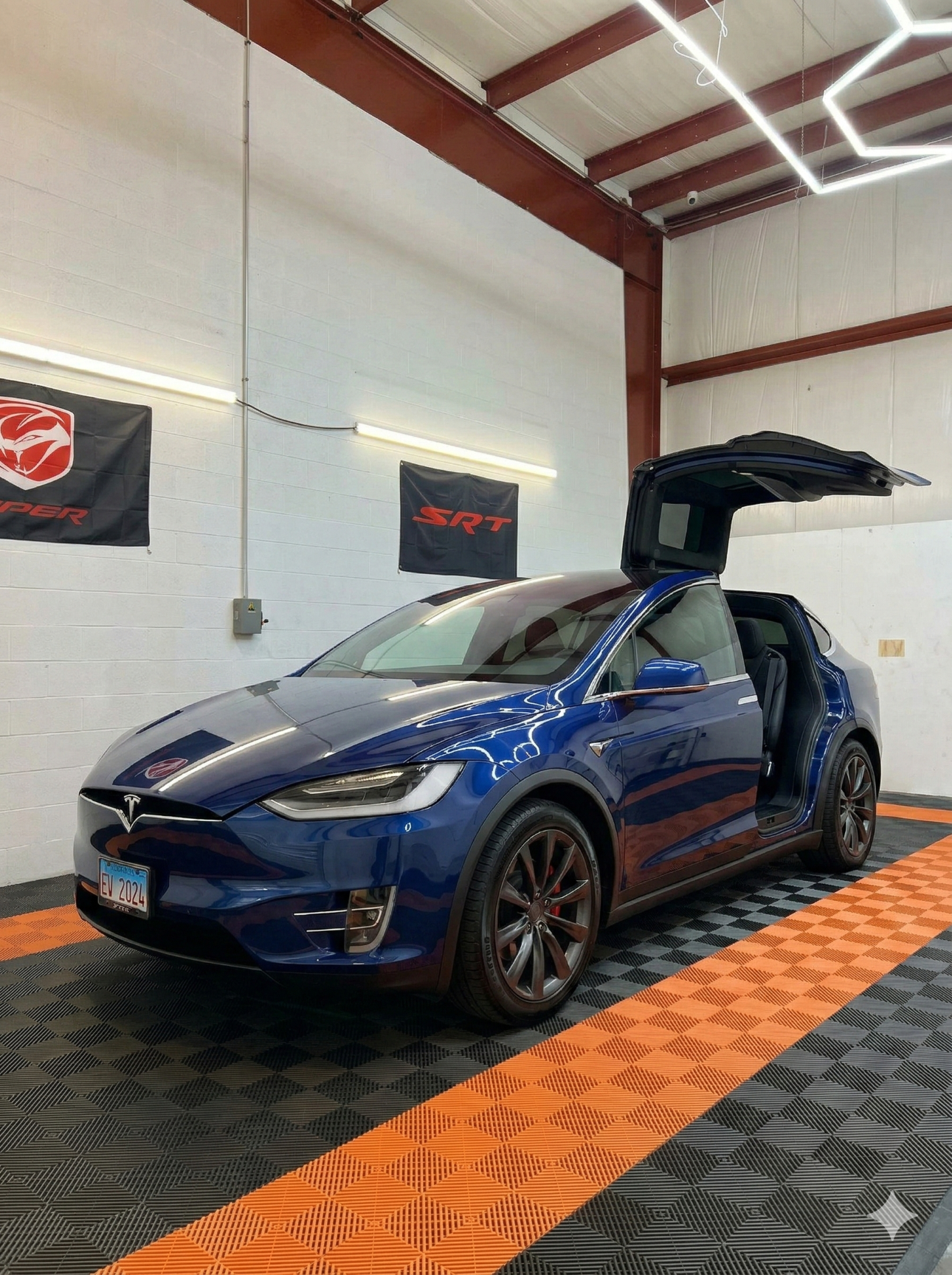

What Our Clients Say
Our customers trust us to deliver exceptional results. Read what they have to say about their experience.
Let’s break it down in plain language.
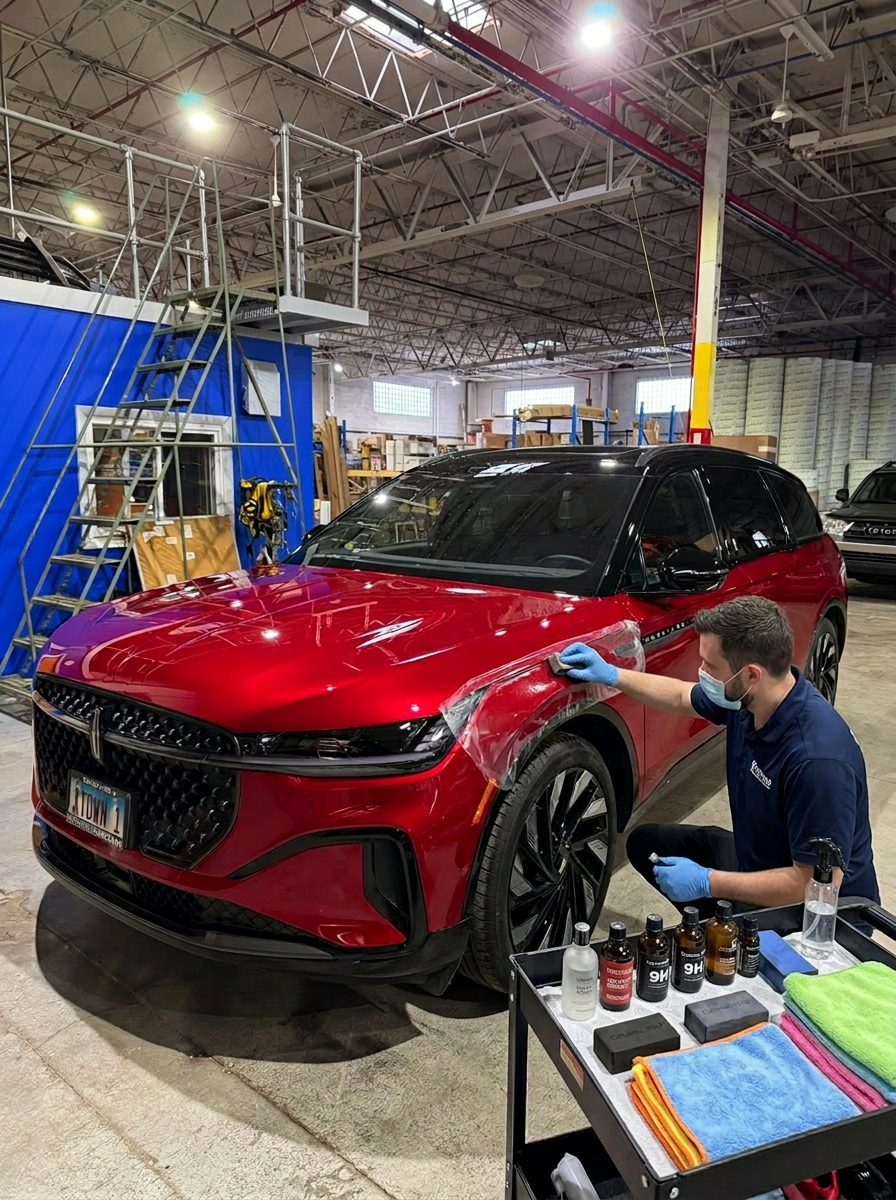
Paint Protection Film (PPF) is a clear film installed on painted surfaces to help reduce damage from stone chips, scratches, bugs, and road grime. Many modern films include features like light scratch recovery with heat and durable top layers designed for daily driving. 3M describes its PPF as designed to protect paint from rock chips, scratches, and the elements, and it notes self-healing behavior for minor marks with heat. Avery Dennison describes its PPF as enhanced polyurethane with layered construction, including a topcoat layer, a polyurethane core layer, and an adhesive layer. Ceramic Pro’s aftercare guide explains curing time, washing restrictions right after installation, and how improper care can lead to problems. IDOT shares how winter operations use large amounts of salt across Illinois, which helps explain why winter grime and road grit show up so fast on vehicles driven around DuPage County, IL.
Now, on to the myths.
This is one of the most common Paint Protection Film myths we hear in West Chicago, IL.
Reality: PPF makes sense for daily drivers, family SUVs, trucks, and work vehicles too.
Here’s what matters. Road debris does not care what you drive. If you commute on I-88, I-355, IL-59, North Ave, or Roosevelt Rd, your front end sees the same grit and stones as everyone else. If you spend time in parking lots around Wheaton, IL, Carol Stream, IL, or Naperville, IL, door edges and door cups still get scuffed.
PPF is popular on performance cars because owners notice paint details. But drivers in DuPage County, IL choose PPF for a different reason: they want their paint to look cleaner for longer.
If you want coverage that fits daily use, start with Paint Protection Film and build from there.
People worry that film will look cloudy or obvious.
Reality: Proper film choice and a clean install can look very natural on the paint.
Avery Dennison’s PPF brochure describes films designed to be “virtually invisible” and built with a topcoat and polyurethane core layer for protection. Film technology has changed a lot over the years, and installation technique matters as much as the material.
What usually causes the “plastic look” impression?
This is why prep is a big deal. If your paint needs cleanup first, Paint Correction can reduce swirls and haze so the finish looks clearer before film goes on.
This myth creates the most disappointment.
Reality: PPF helps reduce damage, but it cannot prevent every impact.
3M lists PPF as designed to help protect against rock chips, scratches, and other types of surface damage. That is a strong benefit. But if a sharp stone hits at the wrong angle at high speed, you can still get a mark. Film is protection, not invincibility.
Think of PPF as a sacrificial layer. It can take a lot of the abuse that would otherwise hit your paint. It is especially effective on the panels that get peppered over time.
A practical takeaway for DuPage County, IL drivers:
This one comes up a lot, especially from people who remember old film from years ago.
Reality: Yellowing risk depends on film quality, installation, and care.
Avery Dennison specifically describes a non-yellowing formulation for certain films in its brochure. 3M product pages also emphasize durable outdoor performance and warranties for their film series.
Yellowing is more likely when:
If your goal is long-term clarity, start with a quality film installed by a trained shop, and follow a reasonable maintenance routine. If you want easier cleanup on top of film, many owners pair it with Ceramic Coating to support faster washing.
This is a real fear, and it needs a real answer.
Reality: On fully cured OEM paint, professional removal is typically safe. On repainted or improperly cured surfaces, risk can increase.
Avery Dennison’s PPF application bulletin states the film is intended and warranted for use on fully cured OEM painted surfaces, and it notes that removal without paint damage is not warranted on non-OEM paint. That tells you something important: the paint surface matters.
So what causes problems during removal?
If you have OEM paint in good condition, film removal is usually a normal part of the product life cycle. If you have a repainted panel, we talk through that up front so expectations are clear.
This myth mixes two different situations.
Reality: New factory paint can be a great candidate for PPF. Fresh body shop paint needs the right cure time.
Avery Dennison’s application bulletin explains the film is intended for fully cured OEM paint and discusses cure expectations for refinished paint systems, including guidance that baked paints can be ready sooner and air-dried repair paints should follow paint manufacturer cure guidance.
What this means for DuPage County, IL drivers:
If your new car already has minor wash marks from delivery or dealer handling, consider a light Paint Correction step first so the finish under the film looks clean.
This is one of the most common Paint Protection Film myths online.
Reality: PPF is impact protection. Ceramic coating is surface protection.
PPF is a physical layer designed to absorb impacts and reduce chips. Ceramic coating is a bonded layer that can help with cleaning, gloss, and resistance to certain contaminants.
Many DuPage County, IL owners combine both:
If you want your interior and exterior to stay fresh between protection services, Auto Detailing also fits into a practical care plan.
People sometimes treat PPF like a one-time install and forget it.
Reality: PPF is durable, but basic care keeps it looking clear.
Ceramic Pro’s PPF aftercare and warranty instructions discuss the curing process and warn that improper cleaning techniques and products can lead to discoloration and premature issues. The guide also notes a 48-hour curing window and advises avoiding washing for two full days after release.
Easy habits that help in West Chicago, IL and DuPage County, IL:
If you want comfort upgrades that support daily driving too, Window Tint is another common add-on in DuPage County, IL.
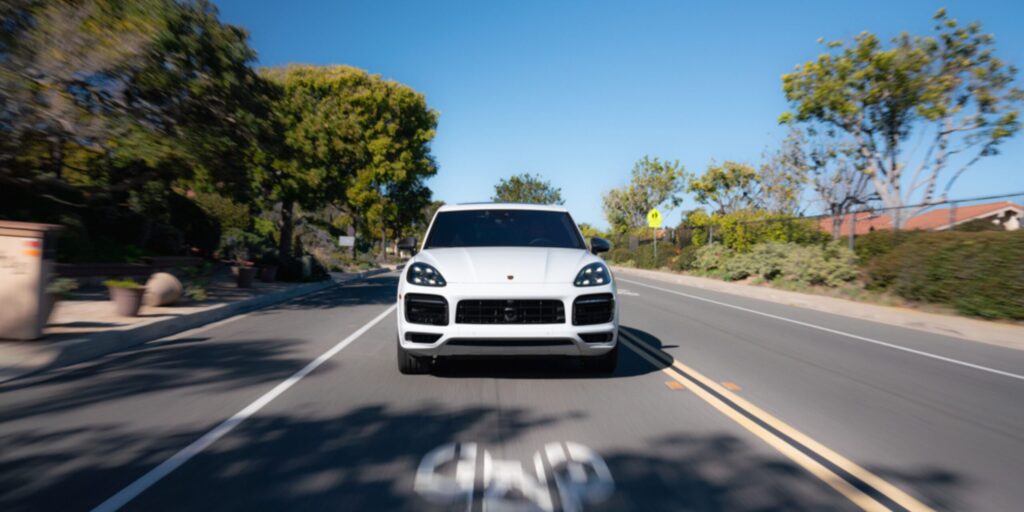
Now here’s the thing. You do not have to protect every panel to get real value.
Most drivers start with the areas that take the most hits:
Then add high-wear areas that match your routine:
Why does this matter in DuPage County, IL?
IDOT reports statewide winter operations stats including lane miles covered and tons of salt used through parts of the winter season. That is a lot of road treatment across Illinois, and it helps explain why winter driving often leaves gritty buildup on lower panels and behind the wheels.
If you want to talk through coverage for your exact vehicle, call (630) 962-2614 or schedule here: https://precisionpolishautodetail.com/contact-us.
When people search “PPF near me” in West Chicago, IL, they often focus on film brands first. Film matters, but the installer matters just as much.
Here’s what to look for:
If you want warranty-backed products, look for installers who can document the film and install standards. Our shop details our certifications and warranty-backed work on About Us.
A quality install starts before the film touches the car. Avery Dennison’s application bulletin outlines prep steps like removing wax and polish residues and final cleaning with isopropyl alcohol. Good prep is how you avoid trapping defects under the film.
A good installer helps you choose coverage based on how you drive in DuPage County, IL. Daily commuting, highway time, and winter driving all point to certain zones.
You should leave knowing what to do for the first 48 hours and how to wash going forward. Ceramic Pro’s PPF aftercare guide gives clear direction on cure time and early washing limits.
If you have been stuck in a loop of Paint Protection Film myths, do this:
Precision Polish Auto Detail is at 1092 Carolina Dr # 3, West Chicago, IL 60185, serving West Chicago, IL and nearby communities throughout DuPage County, IL, including Wheaton, IL, Winfield, IL, Warrenville, IL, Carol Stream, IL, Glendale Heights, IL, Lombard, IL, Glen Ellyn, IL, Elmhurst, IL, Addison, IL, Bartlett, IL, Bloomingdale, IL, St. Charles, IL, Geneva, IL, Batavia, IL, and Naperville, IL.
Call (630) 962-2614 or book here: https://precisionpolishautodetail.com/contact-us.
Most of the time, yes. “Clear bra” is a common nickname for front-end Paint Protection Film coverage.
It can reduce chips significantly in high-impact areas, but very hard impacts can still leave marks.
Film is clear, so existing defects usually remain visible. If you want the finish to look cleaner, consider Paint Correction before installation.
Follow your installer’s guidance. Ceramic Pro’s aftercare guide describes a 48-hour curing period and recommends avoiding washing for two full days after release.
You do not need complicated routines, but you should avoid harsh chemicals and poor washing habits. Proper care helps prevent discoloration and premature issues.
Many owners do because it can support easier cleaning. Learn more about Ceramic Coating.
Most drivers start with the bumper, hood, fenders, and mirrors. Many add rocker panels for winter driving wear.
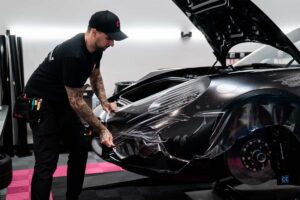
Color PPF vs Vinyl Wrap is a common decision for DuPage County, IL drivers. Compare protection, durability, maintenance, and finish so you can pick the right option for your vehicle. Call (630) 962-2614 or book: https://precisionpolishautodetail.com/contact-us/
Product Brand: Ceramic Pro, Ceramic Pro PPF & Legend PPF.
Complete Vehicle Protection & Customization
We specialize in Paint Protection Film (PPF), Color PPF, Ceramic Coating, and Paint Correction to keep your vehicle looking showroom-new for years to come.
From Window Tint to Vinyl Wraps and Commercial Wraps, we offer comprehensive customization solutions that combine style with function.


Experience the difference that precision craftsmanship and attention to detail can make. Call us at (630) 962-2614 or request a free quote to get started on your vehicle protection project.
Visit Our Shop